
Heads up: This post contains Amazon affiliate links. We earn a small commission on qualifying purchases at no extra cost to you. Full disclosure.
Most event budgets fall apart somewhere between “I’ll just grab a few things from Amazon” and a cart that’s somehow $300 deep with no balloons in sight. It happens to everyone. You start with a number in your head, you see one gorgeous centerpiece idea on Pinterest, and suddenly you’re justifying a custom neon sign for a bridal shower that’s supposed to be “low-key.”
The fix isn’t spending less. It’s planning smarter. Here’s how to build a budget that’s actually realistic, and still lets you pull off something that looks stunning.
Start With Your Real Number
Not your wish number. Your real one. Before you look at a single decoration, sit down and decide what you’re actually comfortable spending. Not what you think it should cost, not what you saw someone spend on TikTok, your number. The one you won’t regret when it’s over and the credit card bill arrives.
Write it down. That’s your ceiling. Everything you buy from this point forward comes out of that number, and when it’s gone it’s gone. Treating the budget as a hard cap rather than a loose suggestion is the single biggest difference between people who end events relieved and people who end events with buyer’s remorse.
If you’re co-hosting or splitting costs with others, align on the total budget before anyone starts shopping. Mismatched expectations about spend are one of the most common sources of tension in co-hosted events. Get the number agreed on in writing, even a group text confirmation counts.
Break It Into Categories Before You Shop
The fastest way to blow a budget is to treat it as one lump sum. You’ll spend 80% on decor and suddenly realize you forgot about food, drinks, favors, the cake, and the host gift. By the time you remember those, you’re already over.
Here’s a simple starting framework for most events:
- Decor and florals: 30 to 35% of your total
- Food and drinks: 25 to 30%
- Activities, games, and entertainment: 10 to 15%
- Favors and packaging: 5 to 10%
- Miscellaneous / buffer: 10%
That last line is non-negotiable. Something always comes up, a balloon pump that breaks, forgotten ice, last-minute streamers, a vendor who charges a delivery fee you didn’t expect. Give yourself a real buffer and don’t touch it unless you actually need it. If you finish the event without touching the buffer, it goes back in your pocket.
Adjust these percentages for your specific event. A bridal shower at a rented venue with a caterer looks different from a kids’ birthday party at home. The framework is a starting point, not a rule.
Assign a Hard Number to Each Line Item
Once you have your categories, get specific. Not “decor, around $100.” Decor: $100. Period. Then break it down further:
- Balloon garland kit: $25
- Table linen and runner: $30
- Centerpiece flowers and supplies: $30
- Miscellaneous styling (ribbon, clips, filler picks): $15
When you see it this way, you know exactly how much you have to work with before you open a single cart. You can see immediately if your vision exceeds your allocation, which gives you time to prioritize and adjust rather than discovering the problem when your total hits checkout.
This level of specificity sounds tedious. It takes about ten minutes. And it saves hours of post-event regret math.
Shop the Theme, Not the Trending Piece
Here’s where people consistently overspend: they fall in love with one wow item and try to build the whole budget around it. A custom acrylic seating chart. A flower wall rental. A statement neon sign. These are beautiful. They’re also budget sinkholes that leave nothing for the rest of the event.
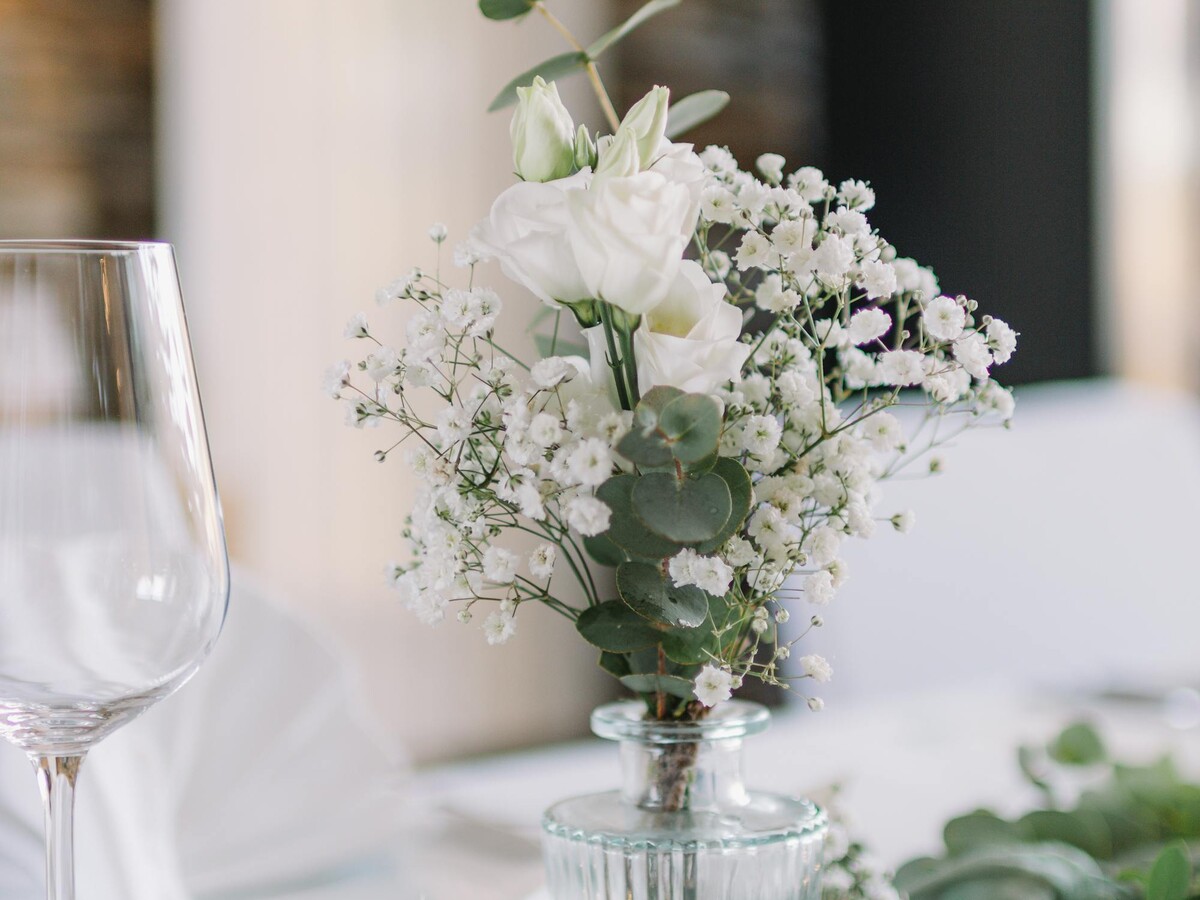
Pick your theme first. Then find pieces that work together to create the look, not one expensive statement piece surrounded by mismatched fillers. Cohesion is what makes a space look expensive, not any individual item.
A $12 balloon garland kit, a $20 table runner, a $15 floral arrangement, and a $10 personalized banner can look more intentional than a $150 centerpiece from a boutique decor shop, if they’re all pulling in the same direction. Amazon is genuinely the best resource for this approach. The goal is always to look like you spent three times what you actually did.
Build Your Shopping List Before You Shop
Open a cart before you have a list and you will spend more than you planned. It’s not a character flaw, it’s how shopping works. Seeing related products, scrolling similar items, adding “just one more thing”, these are features of the shopping experience designed to increase spend.
Build a complete shopping list first: every item you need, the specific product or a description, and the maximum price you’re willing to pay for it. Then shop from the list. When something isn’t on the list, don’t add it to the cart, add it to a separate “want” list and revisit after everything on the main list is purchased. If budget remains, you can go back. Usually, you won’t need to.
Group your list by where you’re buying: Amazon, a local craft store, a grocery store, a dollar store. Dollar stores and craft stores are dramatically underused for party supplies. Balloons, ribbon, small vases, tissue paper, and basic styling elements from these stores cost a fraction of what they cost on Amazon, and the quality difference is minimal for most of these items.
Where to Save vs. Where to Spend
Every event budget works better when you’re intentional about which things are worth spending on and which ones aren’t. Here’s the general principle: spend on what photographs and save on what doesn’t.
Spend on: The balloon garland or main statement decor (this is the photo backdrop and the main impression), the fresh flowers or high-quality faux floral elements (these make or break a tablescape), the cake (the cake cut is one of the most photographed moments of any celebration), and the guest of honor’s specific elements (sash, crown, custom sign, these are in every photo).
Save on: Tableware (disposable plates and cups in your palette color, not branded or patterned), napkins (paper in a solid palette color), filler decor (small candles, generic greenery, inexpensive ribbon and picks), favor packaging (simple kraft bags with a sticker are more elegant than elaborate boxes that cost $3 each).
Never pay boutique prices for: Confetti, balloon accessories, washi tape, basic signs, tissue paper. These are dollar store or Amazon basics. The boutique version costs five times more and looks identical.
Track Your Actual Spend as You Go
A budget only works if you track against it. Keep a running total, a notes app, a spreadsheet, even a piece of paper, of every purchase as you make it. Add each item the day you buy it, not when you’re reviewing the damage after the event.
Checking your running total before each purchase is the habit that actually keeps budgets intact. Before you add something to the cart, open the tracker and see where you are. If you’re under budget, proceed. If you’re at budget, you’re done. If you’re over, something needs to come off the list.
Amazon’s “Save for Later” feature is useful here: when you’re tempted by something that’s not on your list, move it to Save for Later rather than the cart. This removes it from the immediate purchase decision and lets you revisit it at the end with clear eyes.
The Contingency Fund Mentality
Treat your buffer category like it doesn’t exist until you need it. Don’t pre-spend it on “extras” early in the planning process and then have nothing left when the actual contingency happens. The buffer is for genuine surprises: a vendor canceling, a product arriving broken, discovering the venue charges a parking fee, needing to replace something at the last minute.
If you finish the event with the buffer intact, that money either goes back in your wallet or becomes the foundation of next event’s budget. Either outcome is a win. The goal is to arrive at the day of the party with everything you planned for paid for, without any financial regret hanging over the celebration.
Ready to Start Planning?
Browse our full theme library and grab the free party planning guide to map out every detail from budget to day-of.

You might also like
The Party Planning Timeline: What to Do 6 Weeks, 3 Weeks, and 3 Days Before
The most stressful parties are the ones where everything happens the week before. The…
Read more →
How to Make Any Party Space Feel More Elevated
You don’t need a stunning venue to throw a stunning party. The right styling…
Read more →
How to Manage Event Setup and Cleanup Without Losing It
Setup and cleanup are the invisible parts of a great event. Here's how to…
Read more →