
Heads up: This post contains Amazon affiliate links. We earn a small commission on qualifying purchases at no extra cost to you. Full disclosure.
For most events our audience is throwing, bridal showers, baby showers, birthday parties, gender reveals, the venue doesn’t need to be a rented event space. The most beautiful, Pinterest-worthy parties we’ve ever seen happened in someone’s backyard, living room, or mom’s dining room. The venue sets the tone, but it doesn’t have to be fancy and it definitely doesn’t have to blow your budget.
Here’s how to think through your options honestly and find the right fit for your guest count, aesthetic, and budget.
Your Venue Options (Honestly)
For intimate to mid-sized gatherings, you’re typically choosing between one of these:
- Someone’s home (yours, a family member’s, a close friend’s)
- A backyard
- A park or outdoor public space
- A rented community space (church hall, community center, clubhouse)
- A restaurant private room
- A dedicated event venue
The further down that list you go, the more expensive and logistically complex it gets. For most events in the 10 to 50 person range, you rarely need to go past option 3 or 4. The events that look the best on Instagram are overwhelmingly hosted in homes and backyards, not event halls.

Hosting at Home: Underrated and Underused
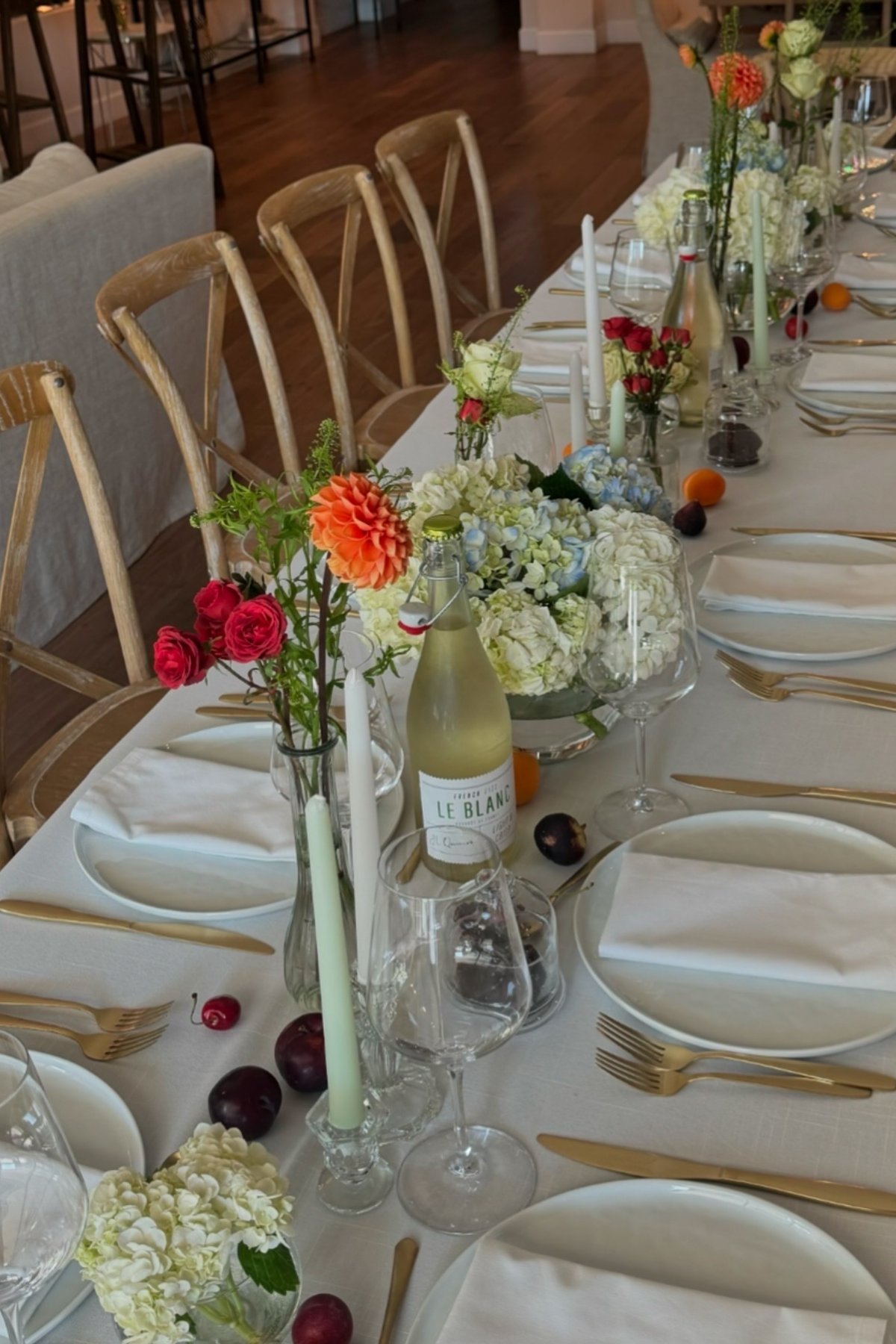
Home events have a reputation for feeling “less than.” That reputation is wrong. When you decorate with intention, a real backdrop, a styled table, a cohesive color palette, a living room looks like a curated event space. Guests aren’t comparing your home to a rented venue. They’re looking at the details you put into the space.
Home events work best when guest count is under 40 (comfortably), you have a defined space that can be decorated (a dining room, living room, covered porch, or backyard), and you’re willing to move furniture and really set the room up. Half-hearted home setups look like parties in a living room. Fully committed home setups look like events.
Before committing to a home venue, think through: parking (is there enough for your guest list without it becoming a headache?), bathrooms (one bathroom for 35 people gets rough), weather backup if you’re planning outdoor elements, sound (will neighbors be an issue for an evening event?), and cleanup logistics (who’s handling it and how long will it take?).
If those boxes check out, hosting at home is almost always the best call for budget, aesthetic control, and the feeling of warmth that rented spaces rarely replicate.
Backyards: The MVP for Larger Gatherings
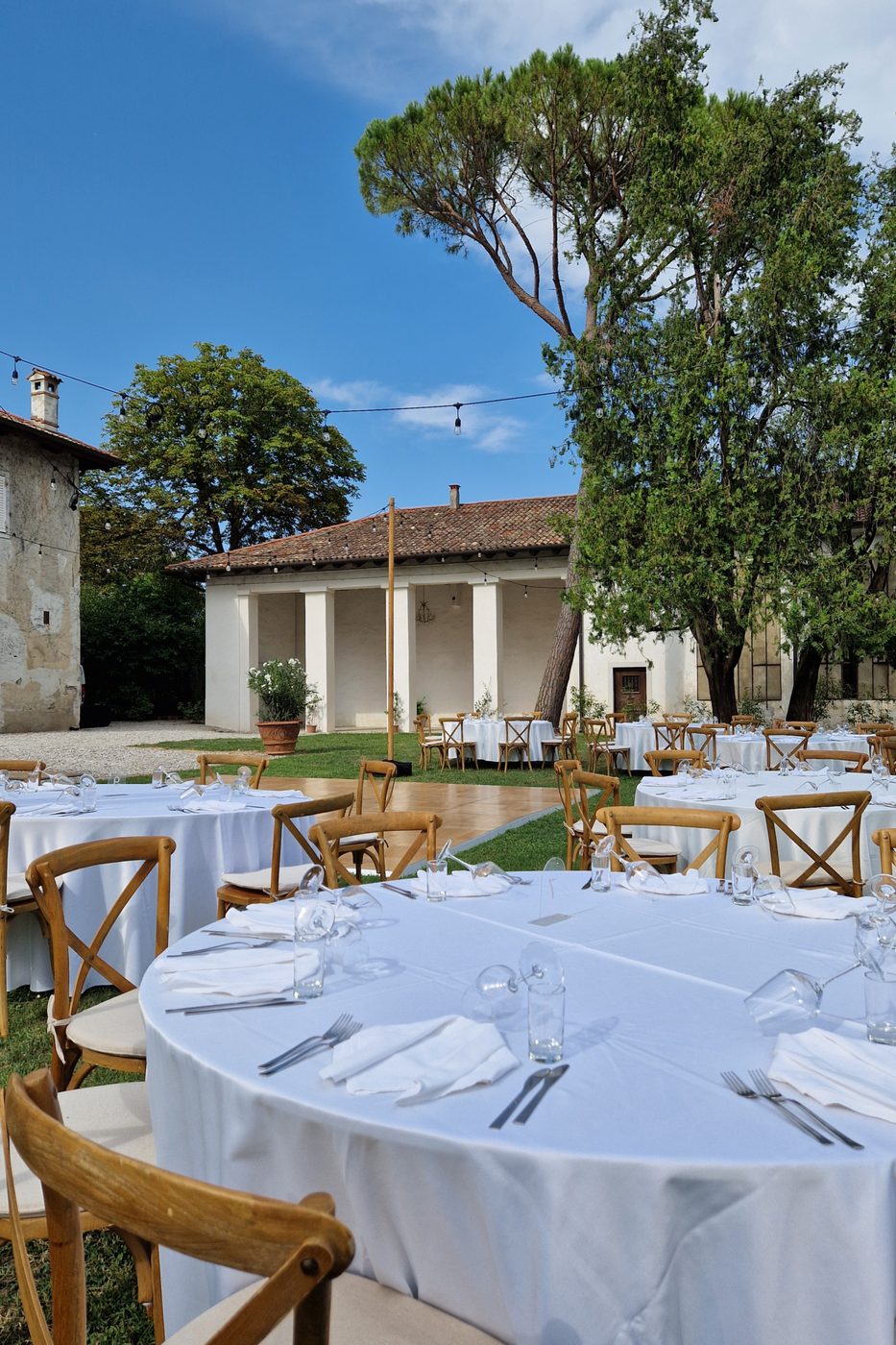
If you have access to a backyard, yours or a family member’s, this is genuinely one of the best event venues available to you. More space than a living room, natural light for photos, room for activities, and no venue fee. The outdoor party aesthetic is one of the hardest looks to fake in an indoor space and one of the easiest to achieve outside.
Backyard events shine for baby showers and bridal showers (garden party vibes are unbeatable), kids’ birthday parties, gender reveals, casual adult birthdays, and graduation parties. Any event where the weather cooperates and the vibe is celebratory rather than formal.
Set up a tent or canopy if there’s any chance of rain or intense afternoon sun. Even a clear tent keeps the aesthetic while providing weather protection. Extension cords for outdoor string lights, a portable speaker or outdoor-rated Bluetooth setup, and a designated trash area out of sight are the operational basics for any backyard event.
Community Spaces: When Home Isn’t Enough
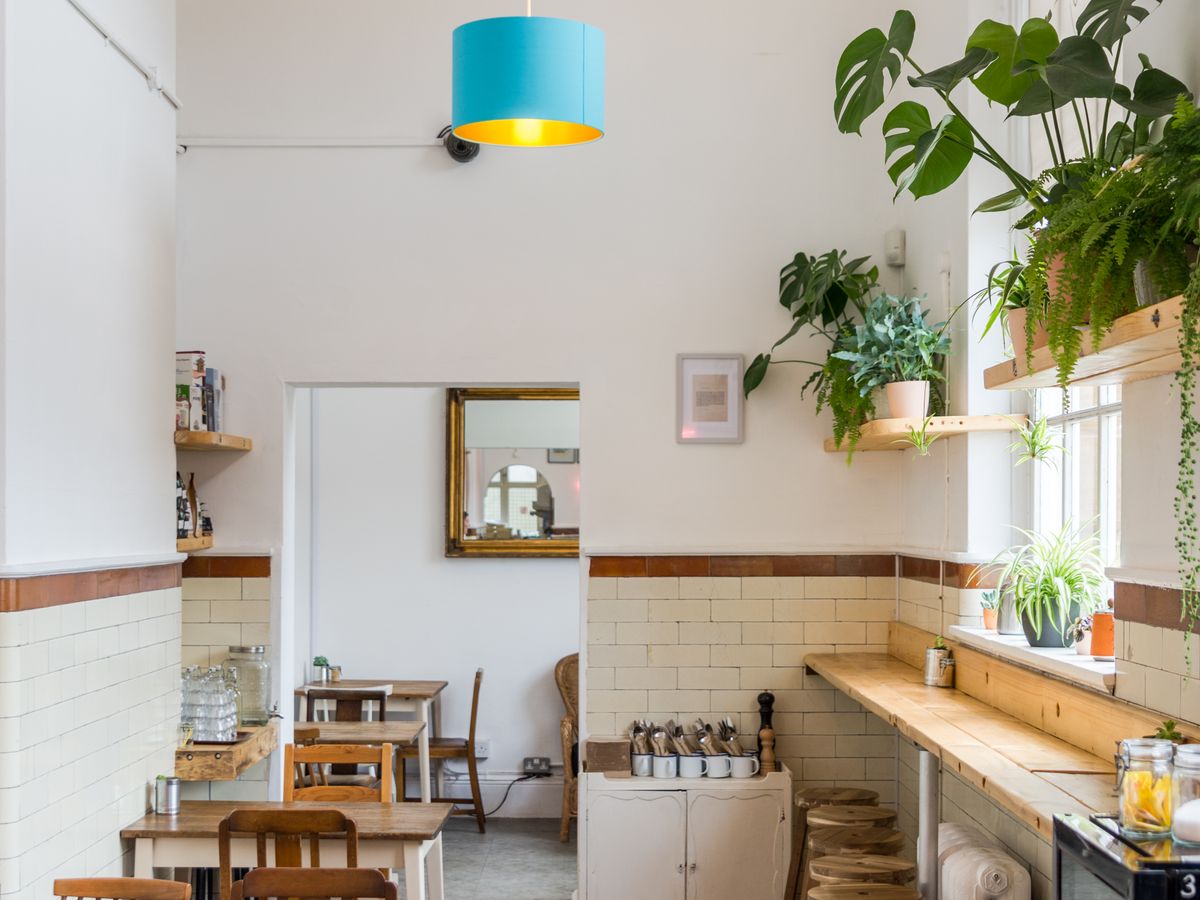
When the guest count exceeds what a home can comfortably hold, community spaces are the right next step, and they’re significantly more affordable than dedicated event venues. Church halls, community centers, clubhouses, and park pavilions typically run $50 to $200 for a half-day rental, often include tables and chairs, and have bathrooms and kitchen access.
The downside of community spaces is that they’re often visually bland: fluorescent lighting, institutional floors, walls that don’t photograph well. This is where decor does heavy lifting. A backdrop, string lights, tablecloths, and a balloon garland can transform a church fellowship hall into something that looks genuinely curated. The bones don’t need to be beautiful, the styling does.
When booking a community space, confirm: how early you can access for setup, whether they provide tables and chairs or you need to rent them, kitchen access, whether there’s a catering or food restriction policy, and the cleanup requirements before you leave. Knowing these things in advance prevents expensive surprises on the day.
Restaurant Private Rooms
For smaller gatherings (10 to 25 guests) where you want a more elevated dining experience without the logistics of setup and cleanup, a restaurant private room is worth considering. Many restaurants offer these at no room fee as long as you meet a minimum spend, making them surprisingly affordable for intimate events.
The benefits are real: no setup, no cleanup, professional service, built-in food and drink without the logistics of catering. The limitation is customization, you’re in their space with their aesthetic, so the Pinterest-perfect styling you’d achieve at home isn’t possible. For a business dinner or a small birthday dinner, this tradeoff is fine. For an event where the styling itself is part of the experience, a restaurant typically won’t let you bring in your own decor.
Call ahead and ask what’s allowed: outside cake, custom signage, small balloon arrangements. Some restaurants are flexible; others aren’t. Know the answer before you book.
What to Check Before You Book Anything
Regardless of which type of venue you choose, answer these questions before finalizing:
Capacity: What’s the comfortable capacity (not the fire code maximum, but actually comfortable)? A space that holds 80 at fire capacity might feel cramped and hot with 45 guests at round tables with a food station and a dance floor area. Visit in person and walk through the actual layout with your guest count in mind.
Parking: How many cars can guests park nearby? If it’s a home event, is there street parking? If it’s a venue, is parking included or paid? This is especially important for daytime events where guests are more likely to drive than for evening events where rideshares are more common.
Acoustics: Does the space carry sound well or echo badly? Large empty rooms with hard floors and walls create echo that makes conversation exhausting. A room with rugs, fabric panels, or lower ceilings absorbs sound better. This matters more than most people realize before they’ve hosted an event in a bad acoustic space.
Natural light: If photos matter to you (and they do), the quality of natural light in the space matters. South-facing windows with soft afternoon light photograph beautifully. Harsh east-facing light at noon washes people out. Visit the space at roughly the same time of day as your event to see what the light actually looks like.
The Venue Isn’t the Event
The most important thing to remember about venue selection: the venue is a container, not the event itself. The most memorable parties aren’t the ones in the most impressive spaces, they’re the ones where the host put genuine thought into the experience, the styling was cohesive and intentional, the food was good, and guests felt welcomed.
A beautifully styled event in a community hall beats an unstyled event in a beautiful venue every single time. Choose the space that gives you the logistics you need (right capacity, accessible, within budget), then use your styling to make it everything else you want it to be.

You might also like
The Party Planning Timeline: What to Do 6 Weeks, 3 Weeks, and 3 Days Before
The most stressful parties are the ones where everything happens the week before. The…
Read more →
How to Make Any Party Space Feel More Elevated
You don’t need a stunning venue to throw a stunning party. The right styling…
Read more →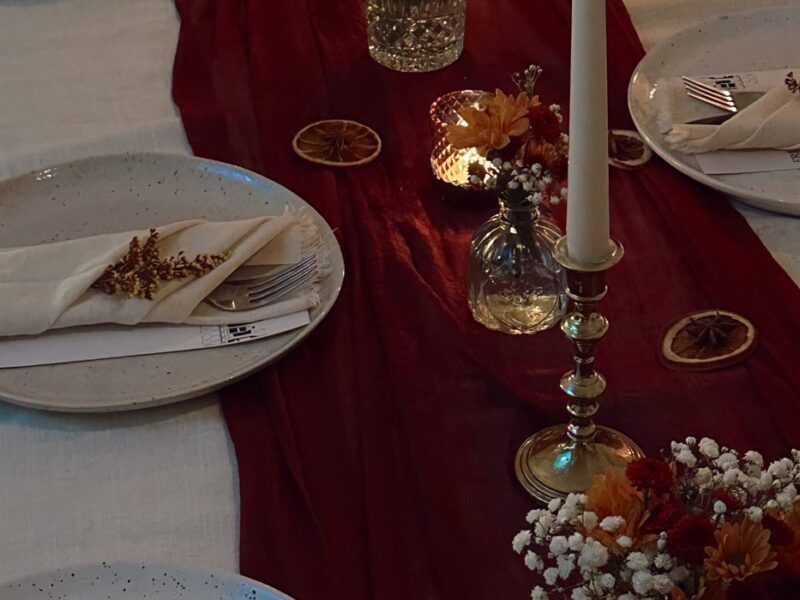
How to Manage Event Setup and Cleanup Without Losing It
Setup and cleanup are the invisible parts of a great event. Here's how to…
Read more →