
Heads up: This post contains Amazon affiliate links. We earn a small commission on qualifying purchases at no extra cost to you. Full disclosure.
You can have the most beautiful setup on Pinterest and still have guests who feel awkward, bored, or just off. The decor gets the double taps. But how your guests actually feel at your event? That’s what they’ll talk about later. That’s what they’ll remember a year from now.
The good news: keeping guests happy and comfortable doesn’t require a big budget or a professional event planner. It requires intention and a few things most hosts skip entirely.
Start Before They Walk In
The guest experience begins before anyone enters the room. The transition from “outside” to “at the party” matters more than most people realize. Guests who have a smooth arrival feel welcomed immediately. Guests who have to hunt for parking, find a locked door, or wonder if they’re in the right place arrive with a low-grade frustration that lingers.
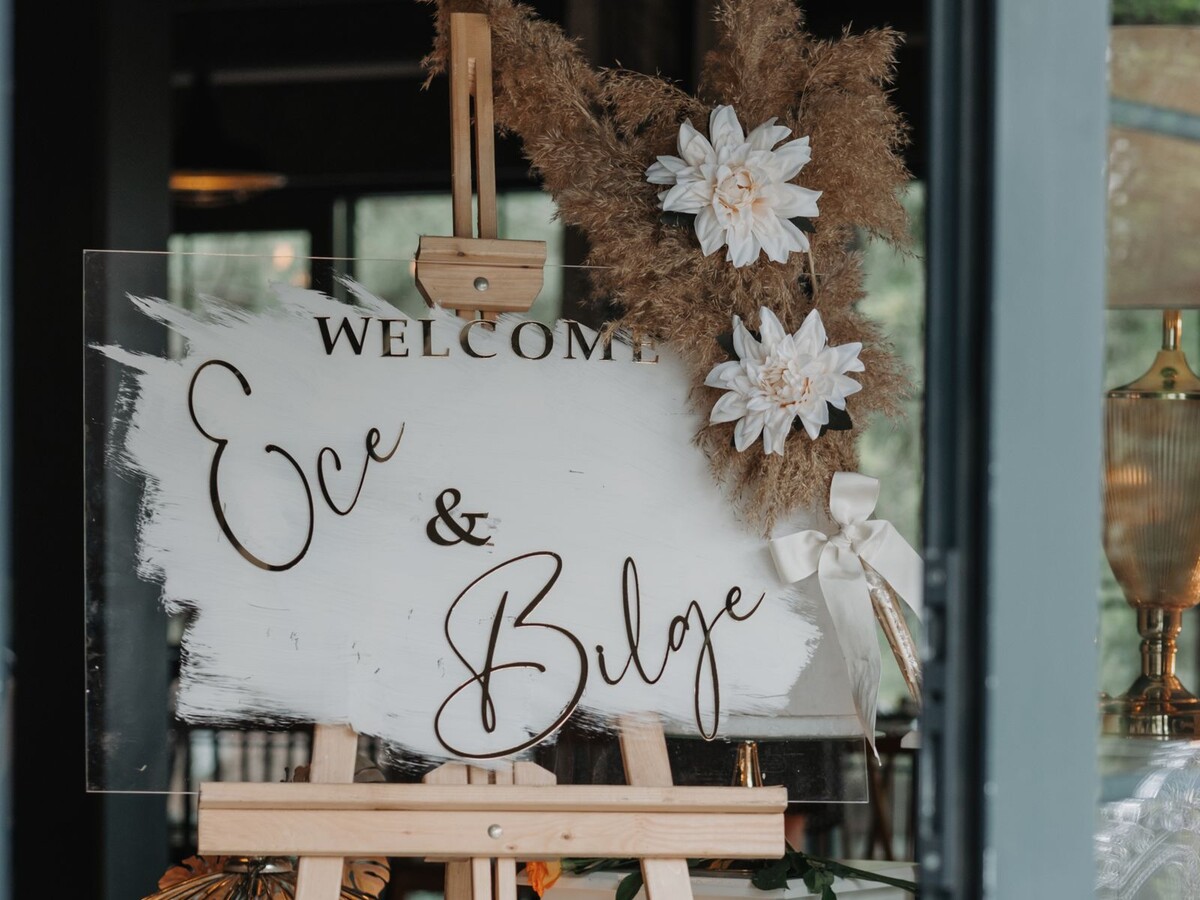
Clear parking instructions sent in the invitation or a group text the day before eliminate one of the most common friction points at home events. A welcome sign near the entrance (even a simple printed sign in a frame) confirms to guests they’ve found the right place. A balloon cluster, a small floral arrangement, or a seasonal wreath at the door signals that someone prepared for their arrival. None of this costs more than $15 and all of it makes an immediate impression.
If the event is at a venue with multiple rooms or a layout guests might not navigate intuitively, a small directional sign is worth the five minutes it takes to make. “Party this way” with an arrow is enough. Guests who feel lost feel unwelcome, even if the intention was never to be unwelcoming.
The First 15 Minutes Are Everything
Guests form their impression of an event almost immediately. The first 15 minutes set the emotional baseline for the rest of the party. If those minutes feel awkward or uncertain, that feeling follows guests through the whole event. If those minutes feel warm and easy, they relax into the experience and everything else gets better.
Have something to do immediately. The classic answer is drinks, a beverage station that’s easy to find and access gives guests something to do with their hands while they get comfortable. It’s not about alcohol specifically; it’s about having a clear, visible destination right away. Put the drink station somewhere visible from the entrance.
Have music playing when the first guest arrives. Silence is awkward. Music isn’t. The volume should be at “comfortable background conversation” level, loud enough to fill the space and remove dead air, quiet enough that guests don’t have to raise their voices to talk. Adjust it slightly higher once the room fills up and natural sound absorption increases.
Greet people at the door. This is the single most impactful thing a host does, and it takes zero budget. A genuine “I’m so glad you’re here” the moment someone walks in makes them feel good immediately and sets the tone for how they’ll feel about the whole event.
Physical Comfort Is Non-Negotiable
Guests who are too hot, too cold, too cramped, or can’t find a place to sit are not having a good time, no matter how beautiful the tablescape is. Physical discomfort is invisible to a host who’s been moving all day, and it’s the first thing guests feel.
Temperature: If you’re hosting outside, is there shade? If it’s an evening event, will guests need layers? For indoor events, rooms get significantly warmer as they fill with people, plan for this. If you’re in an air-conditioned space, set it two degrees cooler than comfortable before guests arrive.
Seating: Not everyone needs an assigned seat, but everyone needs somewhere to land at some point. For events longer than an hour, guests need places to sit. Count your seats before the event. If you’re short, borrow chairs or add some folding chairs in a designated lounge corner, this reads as intentional rather than improvised if you style it even slightly.
Bathroom access: Make sure bathrooms are clean, stocked with toilet paper and hand soap, and easy to find. If you’re hosting at home, put out a fresh hand towel and a small candle or spray. Guests notice the bathroom, often more than any other room in the house.
Accessibility: If any of your guests use mobility aids or have physical limitations, think through the path from parking to the event space and from the event space to the bathroom. One step or one narrow doorway can significantly affect someone’s experience. A heads-up conversation in advance lets you address any issues before the day.

Keep the Energy Moving
The biggest killer of party energy is a long, unstructured gap with nothing happening. Guests who finish eating, finish their drink, and have no clear next thing to do start checking their phones. Energy drops. The host scrambles to reinvigorate a room that’s already started to wind down.
Structure your party around moments: the arrival and drinks, the food service, an activity or game, any special moments (the toast, the reveal, the gift opening), dessert, and wind-down. Not every event needs all of these, but every event benefits from having a shape, a sense that there’s a next thing coming.
Games and activities are the most reliable energy injection at a mid-party lull. A simple game that gets everyone involved (bridal shower bingo, baby shower games, a trivia round about the guest of honor) shifts the dynamic instantly. Keep games short, 15 to 20 minutes, and optional for guests who prefer to just watch.
A photo moment helps too. A designated backdrop area where guests can take photos with the guest of honor creates activity, produces shareable memories, and gives guests something to do while others are finishing food or drinks. Set it up with props if the vibe supports it, or keep it clean and simple if the aesthetic skews more elevated.
Feed Them Properly
Hunger is the enemy of good energy. If the food timeline is off, if there’s not enough, or if the options don’t account for dietary restrictions, guests feel it. You don’t need a caterer, but you do need to plan the food with the same intention you applied to the decor.
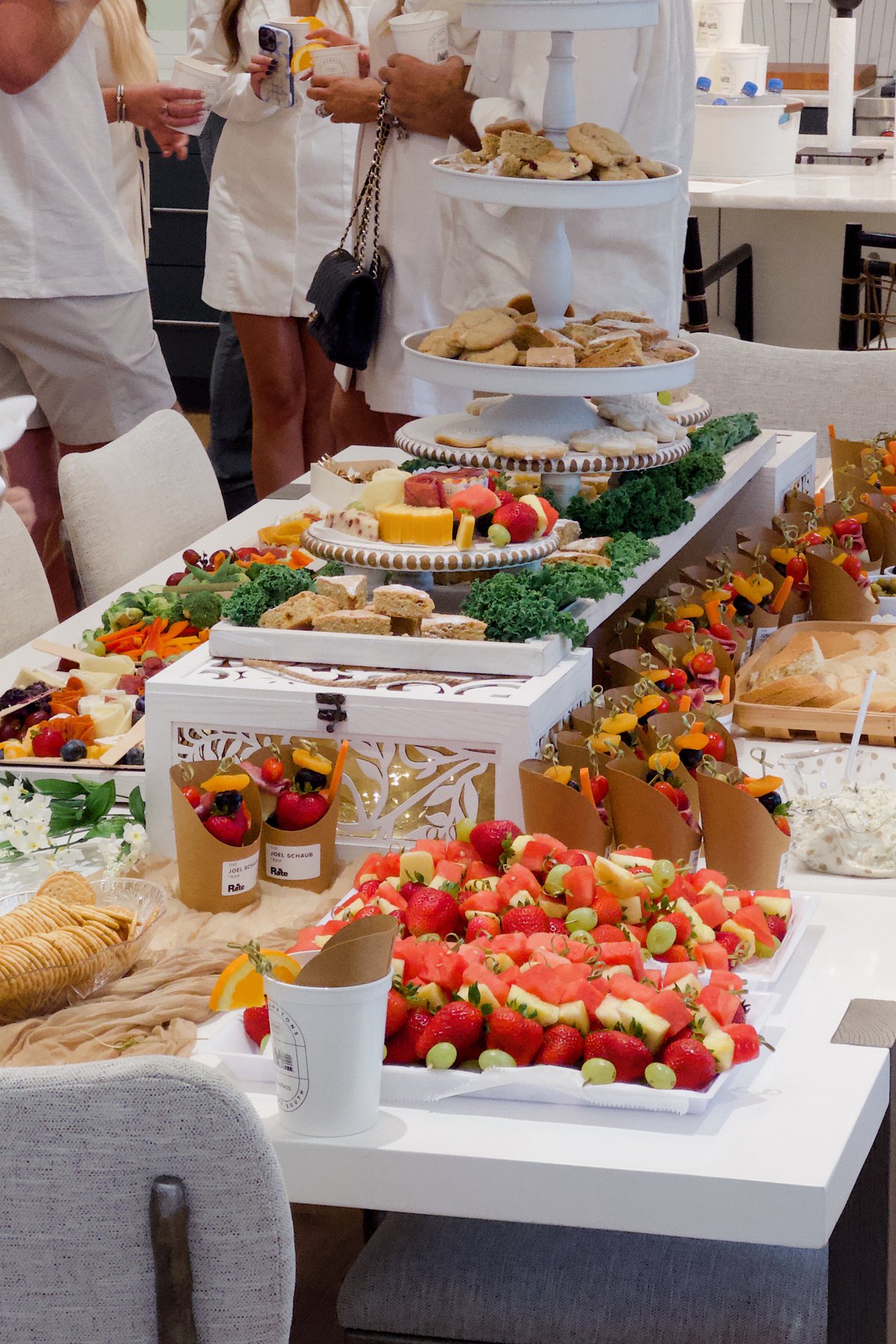
Have food available when guests arrive. A grazing board, a snack spread, or an appetizer table that’s ready before the first guest walks in means no one is waiting around hungry while the host finishes setting up. Early food also gives guests something to do with their hands during the awkward arrival window.
Communicate dietary options. If you know guests have dietary restrictions, account for them clearly. Label items that are gluten-free, dairy-free, or vegetarian. Guests with restrictions spend their whole time at food tables reading labels or nervously asking if something is safe for them to eat. Clear labels remove that anxiety entirely.
Have non-alcoholic drink options that feel as curated as the alcoholic ones. A sparkling water bar, a themed lemonade, a mocktail version of the signature drink, these options communicate that you thought about everyone, not just the people who drink alcohol. It’s a small thing that makes guests who don’t drink feel equally included.
The Goodbye Matters as Much as the Hello
How an event ends shapes how guests remember it. A party that drifts into an awkward, uncertain ending, where people aren’t sure if they should leave, and the host is visibly exhausted but hasn’t called it, leaves guests with a slightly flat feeling that colors the whole memory.
A defined end time on the invitation removes all ambiguity. Guests can plan their day around it, and when that time approaches, the natural wind-down begins. If the party is going well and guests want to stay longer, that’s easy to allow. If it’s time to wrap up, the end time gives the host a social out.
A send-off moment elevates the ending. A group photo before anyone leaves, a bubble send-off for a shower, a toast that closes the event, these moments give the party a defined ending that people participate in rather than just drift away from. The ending is what people talk about in the car on the way home. Make it intentional.
Party favors at the door accomplish two things: they give guests something to take home, and they signal the natural end of the event. Keep them simple and connected to the theme or the occasion. Something guests will actually use (a candle, a small plant, a bag of homemade cookies) is more memorable than a trinket that ends up in a junk drawer.

You might also like
The Party Planning Timeline: What to Do 6 Weeks, 3 Weeks, and 3 Days Before
The most stressful parties are the ones where everything happens the week before. The…
Read more →
How to Make Any Party Space Feel More Elevated
You don’t need a stunning venue to throw a stunning party. The right styling…
Read more →
How to Manage Event Setup and Cleanup Without Losing It
Setup and cleanup are the invisible parts of a great event. Here's how to…
Read more →