
Heads up: This post contains Amazon affiliate links. We earn a small commission on qualifying purchases at no extra cost to you. Full disclosure.
A housewarming party is one of the most genuinely useful social occasions. It fills a new space with warmth and memory, introduces the home to the people who matter, and gives everyone an excuse to gather when life often makes gathering difficult. Here’s how to host one that actually feels like an event, not just a dinner where you happened to have people over at a new address.
The House Tour as the Event
In a new home, the space itself is the main attraction, and trying to hide that fact by jumping straight to food and drinks misses an opportunity. Build the party around the tour: a brief walkthrough for all guests when they arrive (in groups of 4 to 6 to keep it moving), followed by food and drinks in the main gathering space.
Guests who came partly out of curiosity about the new place get what they came for. The party then moves naturally into celebration mode, and the conversation has a natural anchor, the home itself. People want to comment on the kitchen, the backyard, the bedroom colors. Let them. That curiosity is energy you can use.
If the space isn’t fully decorated or furnished yet, don’t let that stop you. A housewarming hosted in a home that’s still coming together is completely normal and often more charming than a perfectly staged space. People are visiting you, not a showroom.
Décor: Use What You Have (Plus a Few Smart Additions)
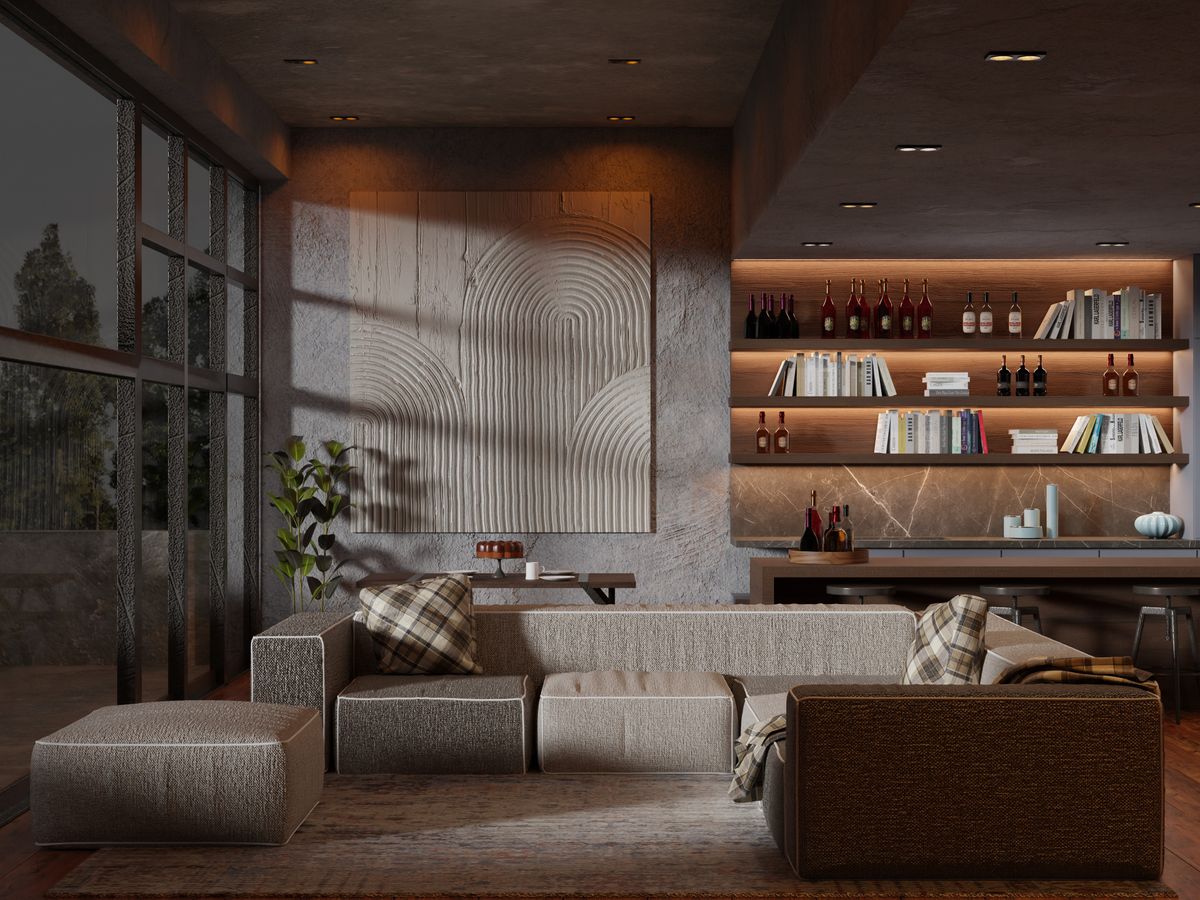
A housewarming doesn’t need a themed setup, the new home is the aesthetic. Arrange what furniture you have, make sure the lighting is warm, put some fresh flowers out (one bunch per room if budget allows), and light candles. The goal is “this is a lovely home where people feel comfortable,” not “this is a styled event space.”
That said, a few intentional additions make the space feel celebrated rather than just occupied. A welcome sign near the entrance (“Welcome to Our Home,” or something more personal), a floral centerpiece on the main dining table, and coordinating drink ware or napkins for the food area go a long way without requiring a full decor haul.
Fresh flowers are the single highest-return investment for a housewarming. One bunch of eucalyptus ($6 at Trader Joe’s or a grocery store), split across three small vases throughout the main living space, makes the home feel alive and cared for. Add one or two statement bouquets in your main gathering area and the space feels intentionally prepared without looking overdone.
String lights or warm-toned floor lamps make any space feel more inviting in the evening. If you haven’t had a chance to add all your lighting fixtures yet, a few plug-in options from Amazon can temporarily fill gaps and create atmosphere until the permanent fixtures go in.
The Neighborhood Introduction
If the hosts are new to the neighborhood, a housewarming is also a chance to meet the people who live nearby, and starting that relationship well matters more than most people realize. Drop invitations in a few nearby mailboxes in the days before the party. Include the address, the time window, and a note that it’s casual and just a chance to say hello.
This is old-fashioned in the best way. Neighbors who are introduced early become the people who watch your packages, notify you about the noise ordinance before someone calls it in, and wave hello on walks. Neighbors who remain strangers for years are something else entirely. The housewarming is a natural, low-pressure way to make those introductions.
If you’re in an apartment building rather than a neighborhood, the same principle applies: invite neighbors on your floor, the building manager, and anyone else you’d genuinely like to know. A housewarming creates a social opening that’s hard to manufacture any other way.

Food and Drinks: The Format Matters
For a housewarming, grazing-style food works better than a sit-down meal. A cheese board, a charcuterie spread, a few dips with crudités, small bites and sliders, and a dessert option, all laid out buffet style on the kitchen counter or dining table, lets people eat casually while they move through the house and mingle. This also accommodates the rolling arrival style of an open house format.
A signature cocktail or mocktail named after the new home adds a personal touch that guests remember. Something like “The [Neighborhood Name] Mule” or “[Street Name] Sangria” takes thirty seconds of creativity and makes the event feel specific to this house and this moment. Write it on a small chalkboard sign near the drink station.
For the drink station setup, a large dispenser of the signature drink plus a bucket of ice and a few alcohol options lets guests serve themselves. This reduces hosting pressure significantly, you don’t need to be behind a bar all night. Stock it before guests arrive and let it run.
The Right Format: Open House Works Best
An open-house format, come anytime between 3 and 7pm, for example, works particularly well for housewarmings. It accommodates the house tour element: groups can flow through rather than everyone arriving at once and crowding a single room. It also accommodates the reality of adult schedules, where some people can make it for an hour and others can stay longer.
Plan for about 60% of invited guests to actually show up. This is true of nearly every social event, invitees always have conflicts, last-minute changes, and the social friction that prevents RSVPs from perfectly predicting attendance. Make food and drinks for that realistic number, not the full invite list, and you won’t be left with mountains of leftovers.
For a truly casual housewarming, a two-to-three hour window is usually sufficient. For a more extended celebration that includes dinner, plan three to four hours. Either way, give guests a defined end time, “open house from 3 to 6” removes the ambiguity of when it’s okay to leave and lets guests plan their day accordingly.
Gift Registry or No?
Housewarming registries are completely acceptable and increasingly common. Guests often appreciate knowing what would actually be useful rather than guessing, especially for a new home where the needs are specific and visible. An Amazon registry or a Zola home registry communicates what’s needed without requiring guests to bring anything specific.
If you do a registry, keep it practical: things you genuinely need for the house rather than aspirational additions. Kitchen essentials, organizational tools, outdoor items, small appliances. Items in the $25 to $75 range are the most frequently purchased by party guests.
Explicitly stating “no gifts necessary, just your presence” is equally valid if the hosts are already settled or prefer not to manage the logistics. If you say no gifts and you mean it, put it on the invitation clearly, guests often bring something anyway if they’re unsure, which can feel awkward if the host truly didn’t want anything.

What to Put in the Guest Book
A housewarming guest book is a lovely tradition that most hosts skip and later wish they hadn’t. Instead of a standard “sign your name” setup, prompt guests with a specific question: “What’s your favorite memory in our old place?” or “Write a piece of advice for the new home” or “What do you hope happens in this house?”
The responses become a time capsule of that moment, who was there, what they were thinking, what they hoped for the new chapter. A small journal or card set near the welcome area with a prompt card and a couple of pens gets participation without requiring any announcement or direction.
Alternative guest book options that work beautifully: a mat for a framed photo of the home where guests sign around the border, a recipe card collection where guests write a dish to make in the new kitchen, or a flat-lay photo of the front door surrounded by blank space for signatures. All of these end up as actual art or keepsakes rather than a journal that gets put in a drawer.
The Hosting Mindset
A housewarming is a celebration of a transition, not a showcase of an interior design project. The most important thing you can offer guests is a relaxed host who is genuinely glad they came. That feeling is more contagious than any amount of balloon arches or perfectly styled tablescapes.
Prepare what you can in advance, food, drinks, basic setup, so that when guests arrive you can be present rather than stressed and working in the kitchen. Set up a playlist before anyone arrives. Make sure you have enough seating for most guests (not everyone, but most). Put the signature drink in the dispenser an hour early.
Then let the party be what it is. A new home, good people, and the particular kind of warmth that comes from filling a space with the relationships that will eventually make it feel like home.

You might also like

9 Spring Bridal Shower Themes That Don’t Feel Basic
Spring bridal showers come with a built-in advantage: the season does half the styling…
Read more →
The Party Planning Timeline: What to Do 6 Weeks, 3 Weeks, and 3 Days Before
The most stressful parties are the ones where everything happens the week before. The…
Read more →
How to Make Any Party Space Feel More Elevated
You don’t need a stunning venue to throw a stunning party. The right styling…
Read more →